- About
- Events
-
Summer Programs
Summer Programs
Volunteer IsraelGrades 9-12 | 15 Days Volunteer IsraelGrades 9-12 | 15 Days Volunteer IsraelGrades 9-12 | 15 Days Volunteer IsraelGrades 9-12 | 15 Days Volunteer IsraelGrades 9-12 | 15 Days Volunteer IsraelGrades 9-12 | 15 Days Volunteer IsraelGrades 9-12 | 15 Days Volunteer IsraelGrades 9-12 | 15 Days Volunteer IsraelGrades 9-12 | 15 Days Volunteer IsraelGrades 9-12 | 15 Days - Get Involved
-
International Convention
International Convention
-
Resources
Resources
-
Meet the Team
Connection
Parashat Vayikra: The Call to Connection

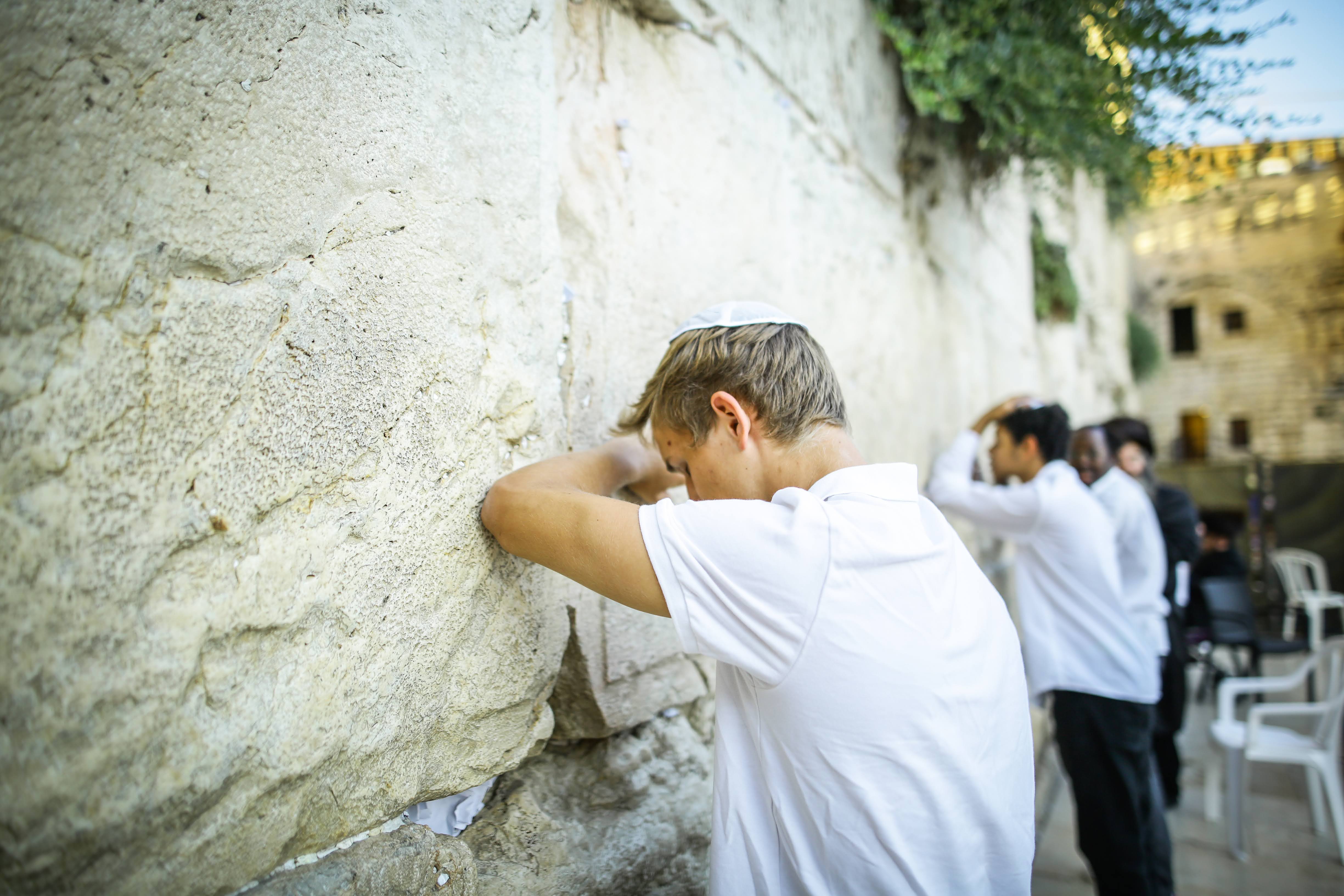
Olah, Minchah, Shelamim, Chatat, Asham. These are the names of the different types of korbanot (burnt offerings) that G-d explains to Moses in this parshah. Until the destruction of the Beit Hamikdash, korbanot were at the center of Jewish practice and belief. They were the way we showed our devotion to G-d, how we asked for forgiveness, and how we asked for help. Today, however, we no longer have a temple or a cohen gadol, and the way we practice our faith is completely different. When faced with this reality, I can’t help but ask, when the way we express our faith is so different, are we still the same religion that we were in Parashat Vayikra? And if not, what does that mean for the Jewish people?
This reminds me of the classic thought experiment of the Ship of Theseus. Let there be a boat. Over time, as the boat sails the ocean, bits of it break and are replaced with new pieces. As the years go by, more and more of the original pieces are left at the bottom of the ocean until eventually none of the original pieces of the ship are left. The question then is whether or not the boat is still the Ship of Theseus.
Though far from a perfect allegory for the complicated subject that is Judaism, I think it’s a pretty fitting one. Over time we have replaced elements of our practice: we went from traditional Middle Eastern head coverings to kipot, we further interpreted and specified the laws of kashrut, we replaced korbanot with rabbinical Judaism, with prayer, etc. Clearly, what it means to be Jewish today has changed a lot since Vayikra.
There is one thing that makes us, as a people, very different from the Ship of Theseus, and that is our books. When pieces of the boat were replaced with new ones, the originals were discarded, forgotten. In our tradition, that does not happen. Though we have not had a Temple to burn offerings at since the destruction of the Second Temple in 70 CE, we still read the rules for those sacrifices every year in this parsha. Modern Judaism has not replaced Judaism from Vayikra, but it has simply added to it. The traditions of our ancestors thousands of years ago are still kept alive by every Jewish community all around the world, and by every Torah scroll and megillah that holds their stories.
Going back to the question from the start: are we still the same religion as that of the Israelites in the desert? My answer is an enthusiastic “yes, we are”. More than that, we are just another piece in the chain of belief that started with Abraham, son of an idol maker, and lives within each one of us today. Judaism is a living growing thing that we are all a part of.
Shabbat Shalom,
Samuel Mishkin
BBYO Uruguay
Explore More Stories

Vestibulum hendrerit ornare augue, nec hendrerit tortor suscipit at.
Maecenas eget commodo odio, non interdum lorem. Phasellus quis tellus dignissim, ornare velit et, auctor augue. Suspendisse volutpat orci sed velit dignissim, eu consectetur ipsum posuere. Morbi nibh diam, facilisis sit amet lectus quis, fermentum congue erat. Proin eros lectus, posuere id luctus in, blandit vitae metus. Morbi at eros sed tortor accumsan vulputate eu vel ex. Cras gravida fermentum est et imperdiet. Integer eu elit ac elit faucibus finibus.


Etiam eget nunc vitae urna maximus dignissim eu vel est. Nunc non tortor arcu
Phasellus mauris quam, varius sit amet erat in, volutpat maximus purus. Etiam eu orci suscipit, semper enim ut, fermentum erat. Duis vel eleifend orci. Suspendisse ultrices erat sed lacus luctus varius. Ut lobortis ipsum a mattis bibendum. Praesent sit amet odio nisi. Integer elementum ante et lorem gravida, quis facilisis risus lacinia. Nullam eleifend convallis lorem quis euismod. Aenean quis sagittis sapien, at sagittis ipsum.

Connection
Suspendisse ultrices interdum porta. Morbi ante nunc
Aliquam pharetra leo cursus urna semper luctus non a elit. Etiam tristique ante in lectus maximus, a hendrerit justo iaculis. Duis hendrerit arcu turpis, vel finibus nisi sodales in. Donec ut felis ex. Quisque blandit mauris ante, sed egestas massa vulputate et. Integer maximus, ipsum non faucibus tincidunt, diam lacus mattis mauris, et porttitor augue dui eget erat. Nullam scelerisque dolor in velit pulvinar egestas. In hac habitasse platea dictumst. Nam in purus ornare, feugiat massa eu, viverra orci. Suspendisse efficitur ex eget consectetur tempor. In pulvinar ligula ut auctor rhoncus. Maecenas tempus eros tortor, non convallis elit scelerisque non. Duis sagittis molestie luctus.